

Masking All Day, Exhausted by Night: Therapy for Neurodivergent Men Experiencing Burnout in NYC

Updated: Jul 27

NYC has a specific flavor of pressure: fast feedback loops, high standards, and a culture that rewards output more than recovery. For neurodivergent men—autistic men, ADHD men, and men with other cognitive differences—burnout can look like “I’m failing” when it’s actually “my system is overloaded.” This is where burnout therapy in NYC can help.
Burnout isn’t a personal defect—it’s a recognized occupational phenomenon
The World Health Organization classifies burnout in ICD-11 as an occupational phenomenon (not a medical diagnosis), resulting from chronic workplace stress not successfully managed, characterized by exhaustion, cynicism/mental distance, and reduced efficacy.
That framework matters because it shifts the question from “What’s wrong with me?” to “What’s happening in the system I’m in?”
Autistic burnout is its own beast
Autistic adults have long described a syndrome now increasingly studied as autistic burnout—chronic exhaustion, loss of skills, reduced tolerance to stimuli, and significant functional impacts. Research also highlights that autistic burnout can be misdiagnosed as depression, anxiety, bipolar disorder, or personality disorders—delaying appropriate support.
A very NYC pattern: high masking + high workload + sensory stress + little downtime = collapse.
ADHD and workplace burnout risk

Work and executive function demands (planning, prioritizing, switching tasks, time estimation) can be especially taxing for ADHD adults, and research has examined mechanisms linking ADHD-related executive function difficulties with job burnout.
Why men often wait too long to get help
Men face well-documented barriers to therapy: stigma, self-reliance norms, discomfort with emotional disclosure, and fear of being judged. Reviews of men’s help-seeking describe these patterns and recommend gender-attuned engagement strategies. A more recent systematic review focused on adolescent boys/young men also emphasizes self-stigma and masculine norms as barriers.
Add neurodivergence and many men conclude: “Therapy won’t get me” → so they white-knuckle until they can’t.
What therapy should look like for neurodivergent burnout (practically)
Good therapy for burnout here is not “let’s talk about your feelings” in the abstract. It’s:
reduce overload
restore capacity
build sustainable systems
work with your brain—not against it
1) Autism-adapted CBT and skills-based work
There’s emerging evidence for CBT with autistic adults, with adaptations often needed (more explicit structure, concrete language, pacing, sensory considerations). A systematic review/network meta-analysis has examined interventions for anxiety/depression in autistic people, reflecting the field’s push toward evidence-informed supports.
2) ADHD-focused CBT and executive function supports
CBT approaches for adult ADHD have been evaluated across studies and meta-analytic work, and recent research continues to refine which components matter.
In burnout, we often treat:
planning fatigue (decision overload)
shame spirals after “underperformance”
task paralysis
inconsistent routines that worsen stress
3) Workplace fit and accommodations (yes, this is therapy-relevant)
Neurodiversity at work literature emphasizes a biopsychosocial lens: functioning depends on person + environment, not willpower alone. Reviews also examine evidence around workplace adjustments supporting neurodivergent employees.
In NYC, sometimes the most therapeutic move is renegotiating workload, expectations, sensory conditions, or schedule structure—not “processing harder.”
Signs it’s time to get support (before crisis mode)
If you’re noticing:
dropping skills you normally have
increased shutdowns / irritability
sensory intolerance that’s new
“I can’t do life after work”
a rising sense of dread on Sundays
That’s not weakness. That’s a system warning light. Autistic burnout in particular is associated with serious adverse impacts, and researchers stress the need for better recognition and support.
What Boundless does differently
At Boundless, we’re relational and practical: our therapists help you map your burnout cycle, reduce friction, and build a plan that respects both ambition and limits—without turning your identity into a pathology.
Begin therapy for neurodivergent men experiencing burnout in NYC at Boundless

For many neurodivergent men, burnout builds quietly through daily masking. Managing social expectations, suppressing natural responses, and pushing through sensory or cognitive overload to function at work and in relationships. Over time, this can lead to chronic exhaustion, emotional shutdown, irritability, or feeling disconnected from yourself. At Boundless, we offer therapy for neurodivergent men experiencing burnout in NYC that helps you understand how masking and long-term stress are impacting your nervous system, and begin restoring energy, emotional safety, and self-trust without needing to “push through” anymore.
To begin therapy for neurodivergent men experiencing burnout in NYC:
Schedule a free 25-minute consultation to talk about how masking, overwhelm, or burnout are affecting your daily life.
Start burnout-focused therapy in NYC to process exhaustion, shutdown, and the pressure to stay functional at all costs.
Learn sustainable ways to reduce masking, set boundaries, and support your neurodivergent needs.
You don’t have to stay depleted to keep going. Our team is here to help.
Evidence-based and integrative therapy services
At Boundless, we approach therapy as a personalized process shaped by each client’s background, values, and lived experience. We offer therapy for individuals, couples, and families, with an emphasis on culturally attuned and affirming care. Our clinicians work with South Asian clients, South Asian couples, LGBTQ+ individuals, and those navigating trauma, anxiety, depression, and other emotional or relational concerns.
Our therapists integrate a range of evidence-informed approaches, including EMDR, Internal Family Systems (IFS), Cognitive Behavioral Therapy (CBT) with Exposure and Response Prevention (ERP), and Dialectical Behavior Therapy (DBT), alongside somatic and mindfulness-based interventions. In addition to individual sessions, Boundless provides group therapy, clinical supervision, professional education, and secure virtual therapy options, allowing care to remain accessible, collaborative, and responsive to your goals.
About the author: Prerna Menon, LCSW

Prerna Menon, LCSW, is a thoughtful and approachable therapist known for creating a calm, supportive space for healing. As a Certified Clinical Trauma Professional, she works with individuals processing complex trauma such as childhood adversity, substance use, and challenging family relationships.
Prerna also supports clients navigating racialized stress, questions around gender or sexual identity, and the emotional strain that can arise from living between cultures. Her work is grounded in compassion and cultural awareness, helping clients feel understood while developing greater emotional safety and resilience.
Learn More About Our South Asian Therapy Team

LMSW Sara supports high-achieving professionals and first- and second-generation adults who look successful but feel exhausted underneath. Using CBT, somatic, and IFS-informed parts work, she helps clients move beyond burnout to feel like themselves again.
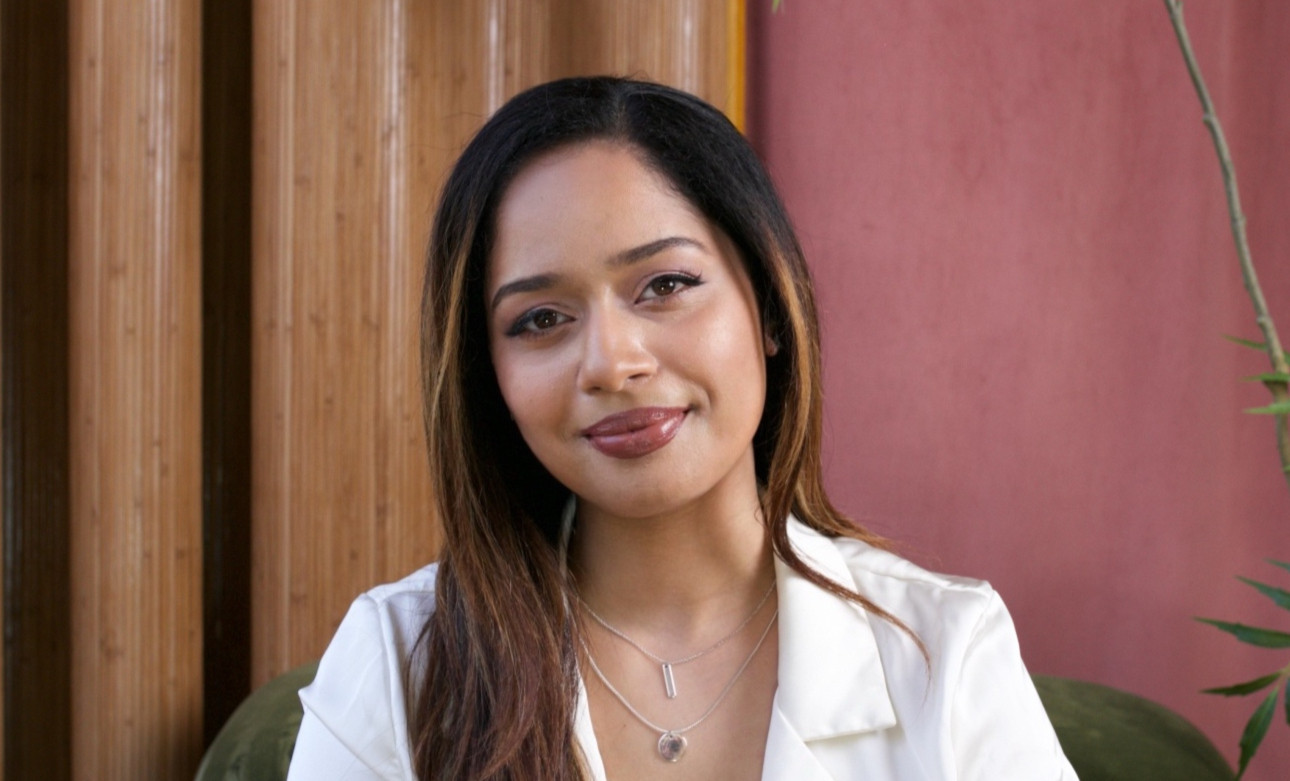
LMSW | C-DBT
Kiara supports adults and couples working through perfectionism, attachment-related wounds, and relational challenges. Using a DBT-informed framework, she helps immigrants and people of color cultivate more secure, stable, and fulfilling relationships.

LMSW | C-EMDR
Monesha works with adults navigating anxiety, performance pressure, and the weight of cultural or family expectations. She often supports students, creatives, and high-achieving individuals who are looking for greater balance, self-understanding, and emotional clarity.

MHC-LP | RYT-200 |C-EMDR
Dipti supports clients working through relational trauma and family dynamics, including experiences of emotional abuse and narcissistic relationships. Her practice also focuses on South Asian identity, men’s mental health, and recovery from anxiety and PTSD.
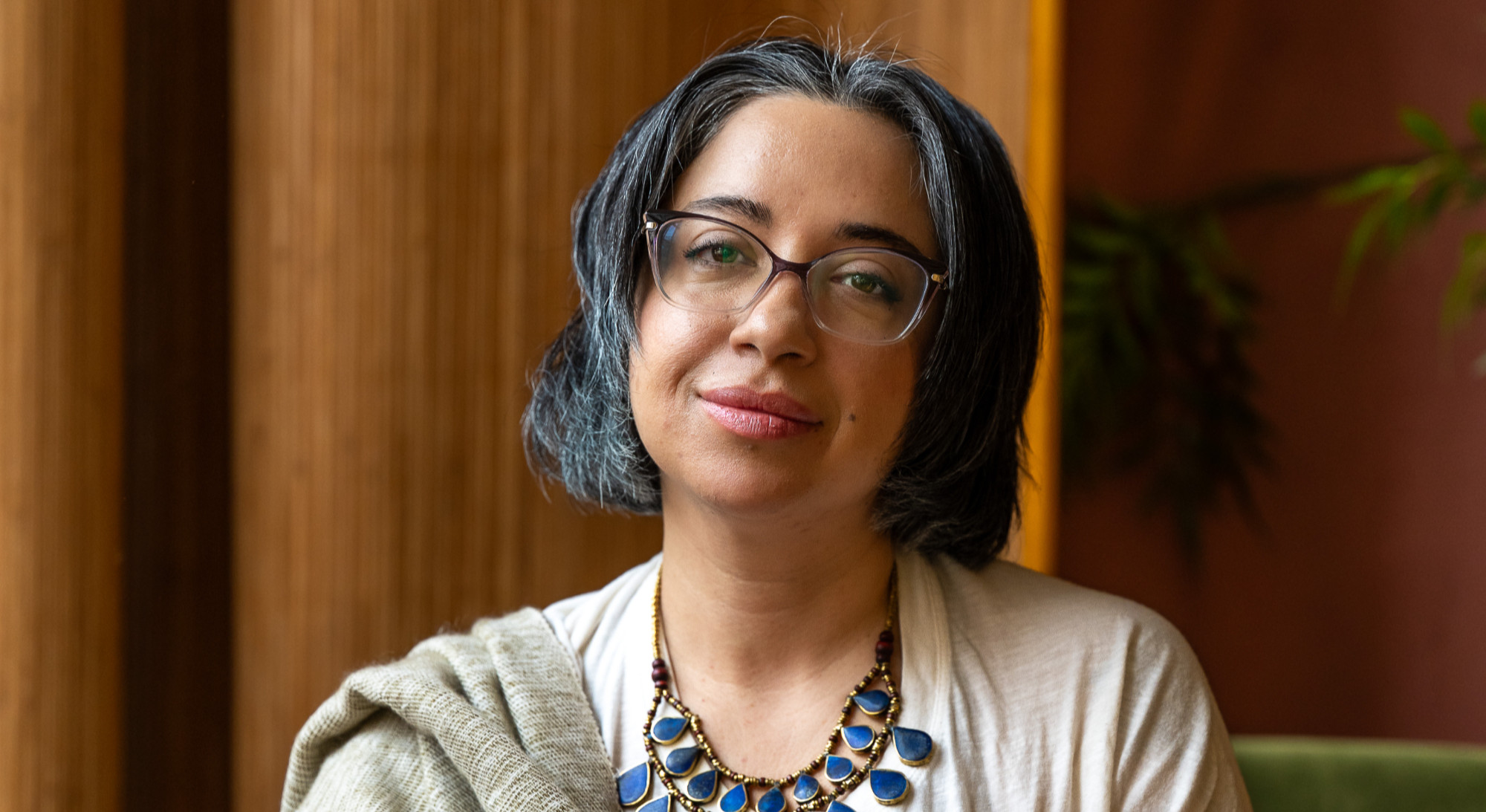
LCSW
Dipti supports clients working through relational trauma and family dynamics, including experiences of emotional abuse and narcissistic relationships. Her practice also focuses on South Asian identity, men’s mental health, and recovery from anxiety and PTSD.
References (APA)
Arnold, S. R. C., et al. (2023). Confirming the nature of autistic burnout. Autism.
Bianchi, R., et al. (2023). Examining the evidence base for burnout. Perspectives on Psychological Science (or related review source).
Doyle, N., & McDowall, A. (2020). Neurodiversity at work: A biopsychosocial model and the impact on working adults. British Medical Bulletin.
Linden, A., et al. (2022). Benefits and harms of interventions to improve anxiety or depression in autistic people: Systematic review and network meta-analysis. Molecular Autism.
Raymaker, D. M., et al. (2020). Defining autistic burnout. Autism in Adulthood.
Seidler, Z. E., et al. (2018). Engaging men in psychological treatment: A scoping review. American Journal of Men’s Health.
Spain, D., et al. (2022). Improving cognitive behaviour therapy for autistic individuals. The Cognitive Behaviour Therapist.
Weber, C., et al. (2024). Physical workplace adjustments to support neurodivergent employees: A review. Applied Psychology.
World Health Organization. (2019). Burn-out an “occupational phenomenon”: ICD-11.


Comments