

The Grief of Identity: Navigating Cultural Loss as Adult Children of Immigrants
Updated: Jul 27

When we think about grief, we often think about losing people we love. But for many adult children of immigrants, there’s another kind of grief — quieter and harder to name — the grief of feeling disconnected from our own culture, identity, and sense of belonging.
Growing up in immigrant families often means learning to walk in two worlds. At home, we are surrounded by rich traditions, language, values, and community. Outside, we are pushed to adapt to a dominant culture that often doesn't reflect or honor our roots. Over time, that balancing act can leave us feeling as though we don’t fully belong anywhere — and that disconnection can be its own kind of loss.
The Loss of Cultural Intimacy
Many of us carry grief over what we didn’t get to fully know or experience about our own cultures. Maybe we don’t speak the language fluently enough to have deep conversations with family members. Maybe we don’t know the stories, songs, rituals, or histories that shaped our ancestors. Maybe we struggle to connect with people from our own background because we grew up differently — too “Westernized” to fit in fully, but too “ethnic” to be seen as fully American.
Even though we may have grown up in loving, present families, systemic pressures — like needing to assimilate to survive — often meant that parts of our culture were lost or left behind. Parents may have had to make hard choices to protect us, encouraging us to speak English first or to fit in at school, knowing that difference could lead to discrimination. As adults, we may look back and wonder about the parts of ourselves we never got to know — and that wondering can be painful.
Brown Girl Therapy very thoughtfully explains this concept here. 💬 Ever feel like you’re grieving something you never got to fully know?You’re not alone — and you’re not imagining it.At Boundless, our culturally responsive therapists support adult children of immigrants navigating grief, identity, and cultural loss with care and nuance. 👉 Book a free 15-minute consultation →
Grieving the Fractured Sense of Self as Adult Children of Immigrants
For many adult children of immigrants, identity is not a straightforward thing. It’s shaped by migration, history, and the push and pull of multiple worlds. There’s grief in feeling like you are always split between cultures — never fully one or the other.
There’s also grief in realizing that we may never feel completely at home in our parents’ country of origin, even if we deeply long for that connection. We may visit and still feel like outsiders — our accent is off, our clothes are too Western, our ways of thinking too shaped by where we were raised. That ache of not fully belonging in the place our family came from, combined with not fully belonging here, is a specific kind of sorrow.
Honoring the Grief — Without Blame
It’s important to say that this grief isn’t about blaming our parents or families. Immigrant parents often carry their own grief — over what they left behind, over the struggles they endured to build a life in a new country. Many parents worked hard to give us opportunities they didn’t have, while also trying to keep culture alive in the face of enormous pressure to assimilate.
Instead, this grief is about acknowledging the real emotional experience of living between worlds — and giving ourselves permission to mourn what was lost in that process. 🌱 You are allowed to belong to many places — and still feel unsure where home is.If you’ve ever felt like you don’t fully fit anywhere, therapy can be a space to make peace with all your pieces. 🔗 Connect with our diverse team →
Moving Toward Healing and Integration
Naming this grief is a powerful step toward healing. When we acknowledge the losses — of language, of belonging, of cultural intimacy — we make space to explore what reconnecting could look like for us now.
Healing may mean learning more about our heritage, picking up language skills, or finding community with others who share similar experiences. It may also mean accepting that our identity is complex — and that we are allowed to hold all parts of ourselves, even if they don’t fit neatly into one box.
Grieving cultural loss doesn’t mean rejecting where we are now — it means honoring the fullness of our story, including what was lost and what can still be reclaimed.
For adult children of immigrants, giving ourselves permission to feel this grief is an act of love — for ourselves, for our families, and for the generations that came before us.
Summarizing The Grief of Identity: Navigating Cultural Loss as Adult Children of Immigrants
Part 1
Adult children of immigrants often experience a unique form of grief — not from losing a person, but from feeling disconnected from their culture, identity, and sense of belonging. Growing up between cultures means navigating both family traditions and the dominant culture, often leading to a deep sense of not fully belonging in either world.
Part 2
This grief can stem from not knowing our cultural language, stories, and history intimately, despite having present and loving families. Due to pressures to assimilate, many parts of culture are lost, leaving adult children of immigrants feeling “in-between” — too Westernized for their heritage community and too ethnic for mainstream society. This leads to a fractured sense of self and the painful realization that they may never fully belong in any one space.
Part 3
Rather than blaming families, this grief acknowledges the emotional reality of living between worlds. Healing comes from naming and honoring these losses, exploring ways to reconnect with culture, and embracing the complexity of identity. Making space for this grief is a compassionate act toward oneself, one's family, and one’s cultural lineage.
🪷 Ready to begin healing the quiet grief of cultural loss?At Boundless, we hold space for the grief of growing up between worlds. Our team of culturally attuned therapists — many of whom are immigrants or children of immigrants — help you navigate questions of belonging, identity, and reconnection.✅ Virtual therapy available in NY & MA 🌍 South Asian, BIPOC & LGBTQ+ affirming 🔗 Book your free 15-minute consultation.
References
David, E. J. R., & Nadal, K. L. (2013). The colonial context of Filipino American immigrants' psychological experiences: Implications for practice and research. The Counseling Psychologist, 41(2), 286–313. https://doi.org/10.1177/0011000012444676
Tummala-Narra, P. (2021). Cultural identity, immigration, and mental health: Clinical reflections on the immigrant experience. American Journal of Psychotherapy, 74(1), 25–31. https://doi.org/10.1176/appi.psychotherapy.20200020
Iyer, P., & Haslam, N. (2003). Body image and eating disturbance among South Asian-American women: The role of racial teasing. International Journal of Eating Disorders, 34(2), 142–147. https://doi.org/10.1002/eat.10166
Nadal, K. L. (2011). Filipino American psychology: A handbook of theory, research, and clinical practice. John Wiley & Sons.
Authors

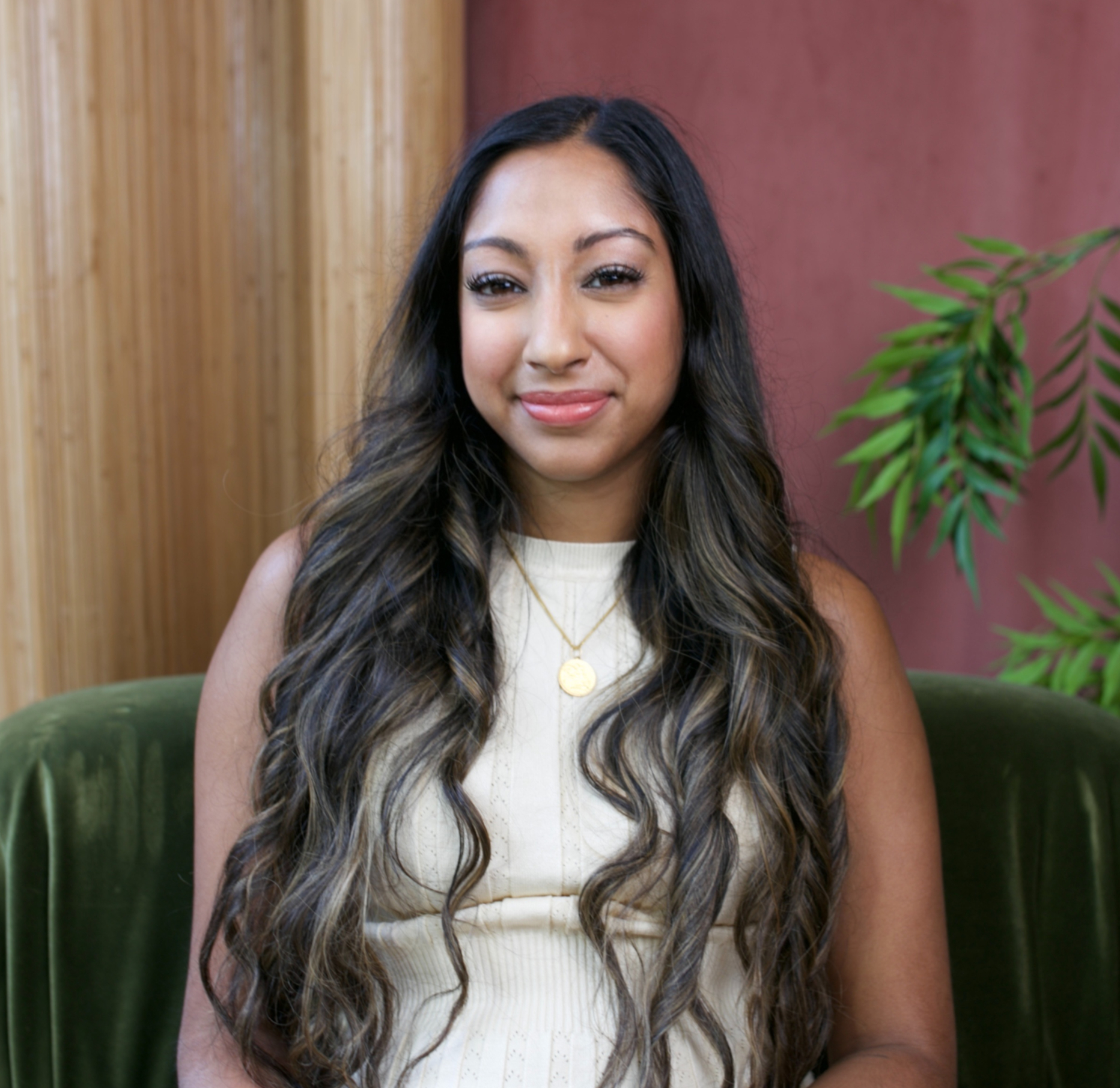
LMSW Sara supports high-achieving professionals and first- and second-generation adults who look successful but feel exhausted underneath. Using CBT, somatic, and IFS-informed parts work, she helps clients move beyond burnout to feel like themselves again.
LMSW | C-DBT
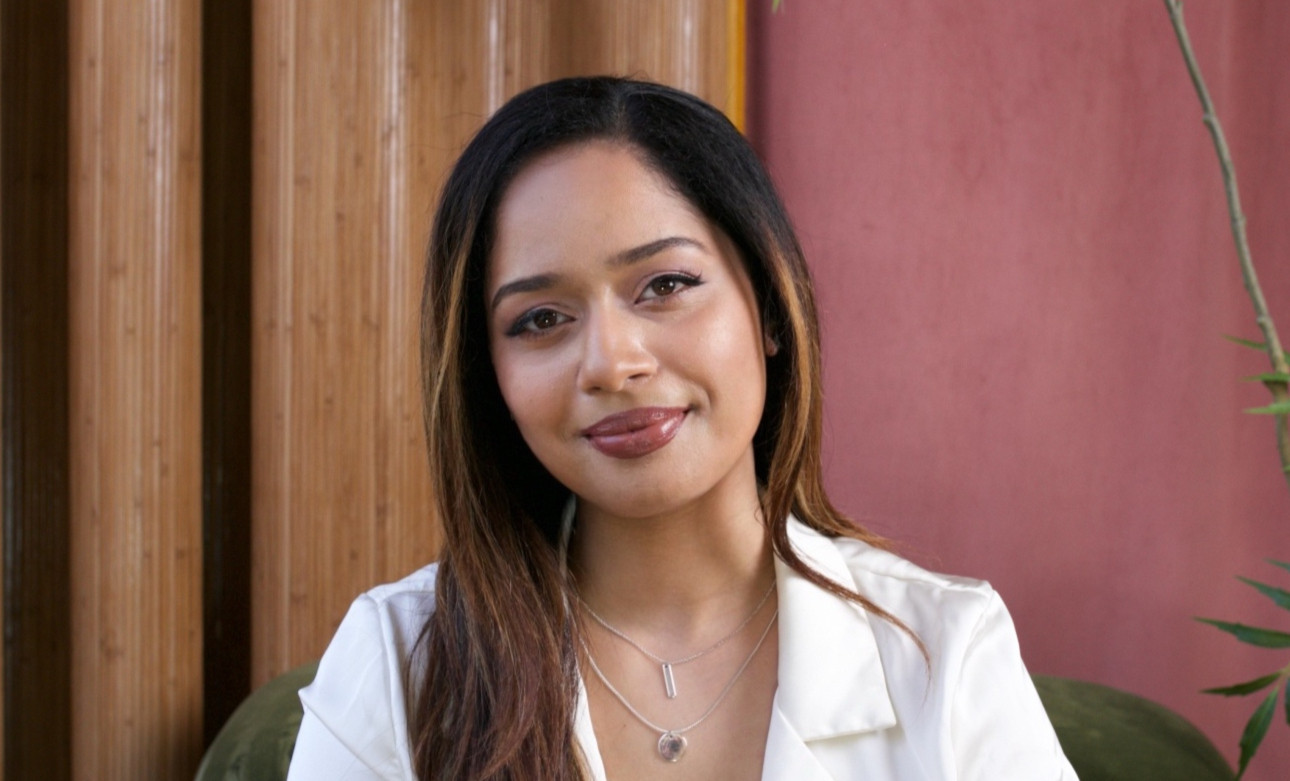
Kiara supports adults and couples working through perfectionism, attachment-related wounds, and relational challenges. Using a DBT-informed framework, she helps immigrants and people of color cultivate more secure, stable, and fulfilling relationships.
LMSW | C-EMDR
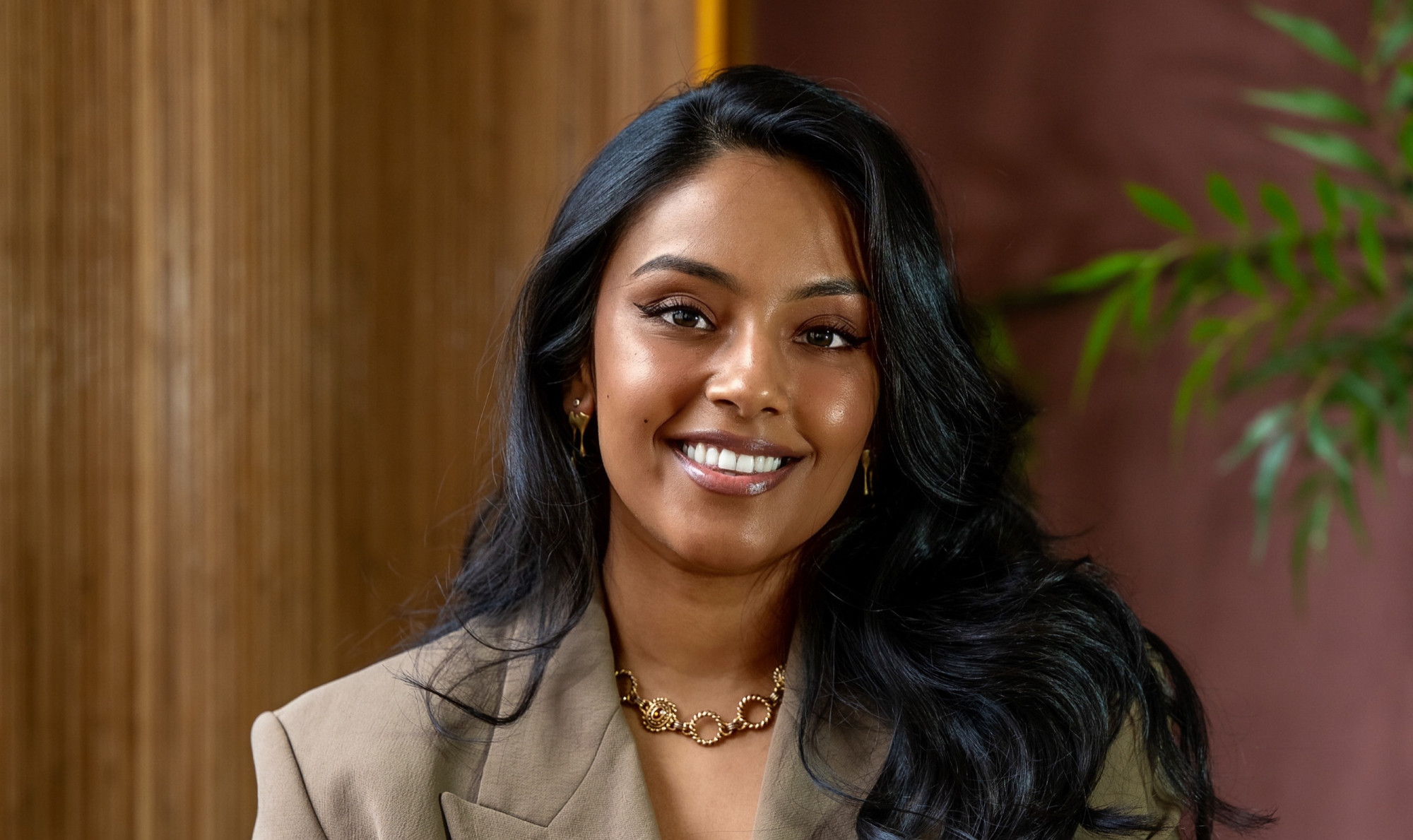
Monesha works with adults navigating anxiety, performance pressure, and the weight of cultural or family expectations. She often supports students, creatives, and high-achieving individuals who are looking for greater balance, self-understanding, and emotional clarity.

MHC-LP | RYT-200 |C-EMDR
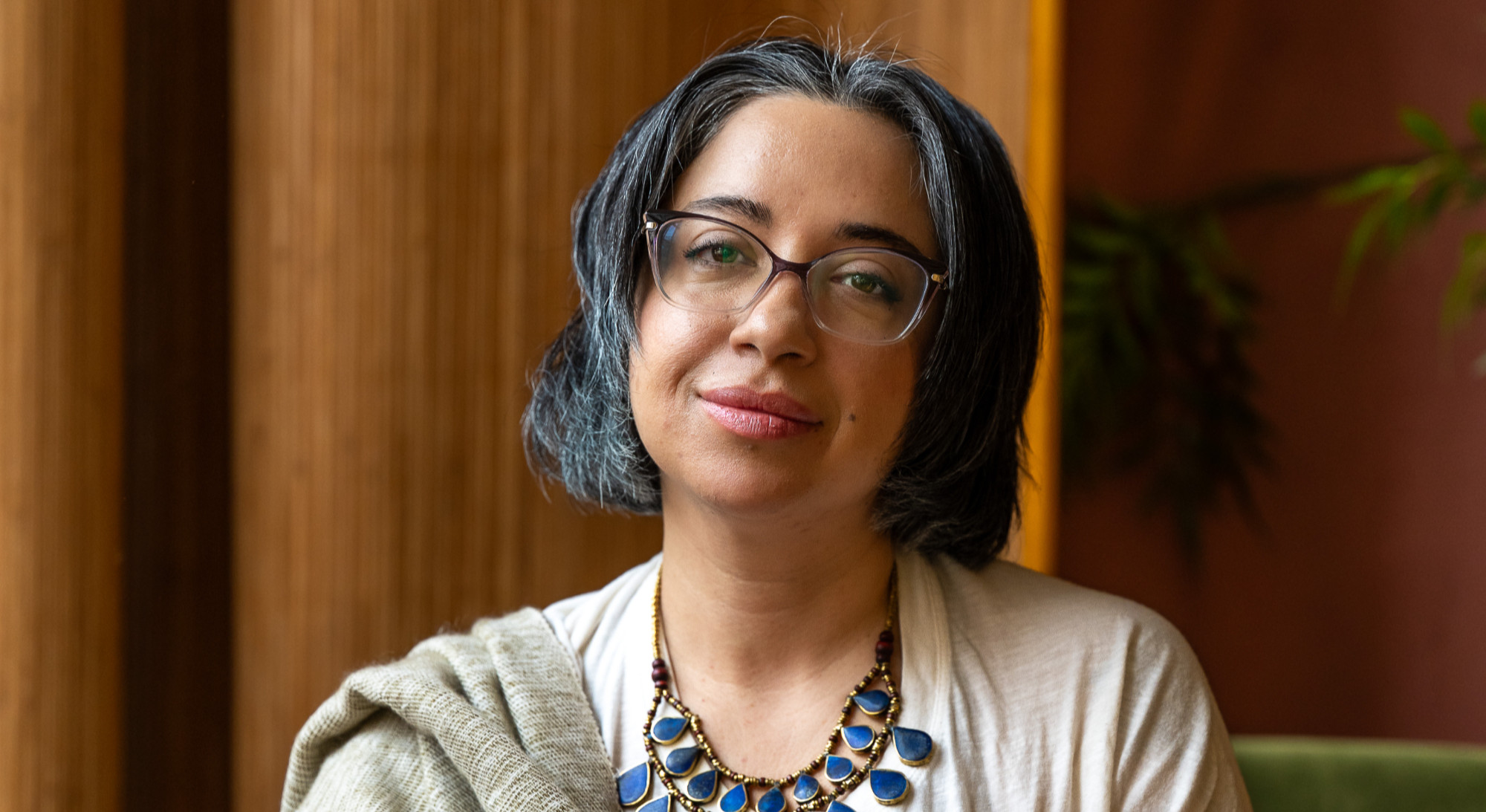
Dipti supports clients working through relational trauma and family dynamics, including experiences of emotional abuse and narcissistic relationships. Her practice also focuses on South Asian identity, men’s mental health, and recovery from anxiety and PTSD.
LCSW
Dipti supports clients working through relational trauma and family dynamics, including experiences of emotional abuse and narcissistic relationships. Her practice also focuses on South Asian identity, men’s mental health, and recovery from anxiety and PTSD.
Begin Therapy Today
Discover the transformative power of therapy today! Explore therapy services tailored to your needs and find culturally sensitive support. Connect with our team of therapists at Boundless and experience the benefits of the right cultural fit. Begin today.


Comments