

Reparenting Your Inner Child as a South Asian Adult: Therapy in NYC
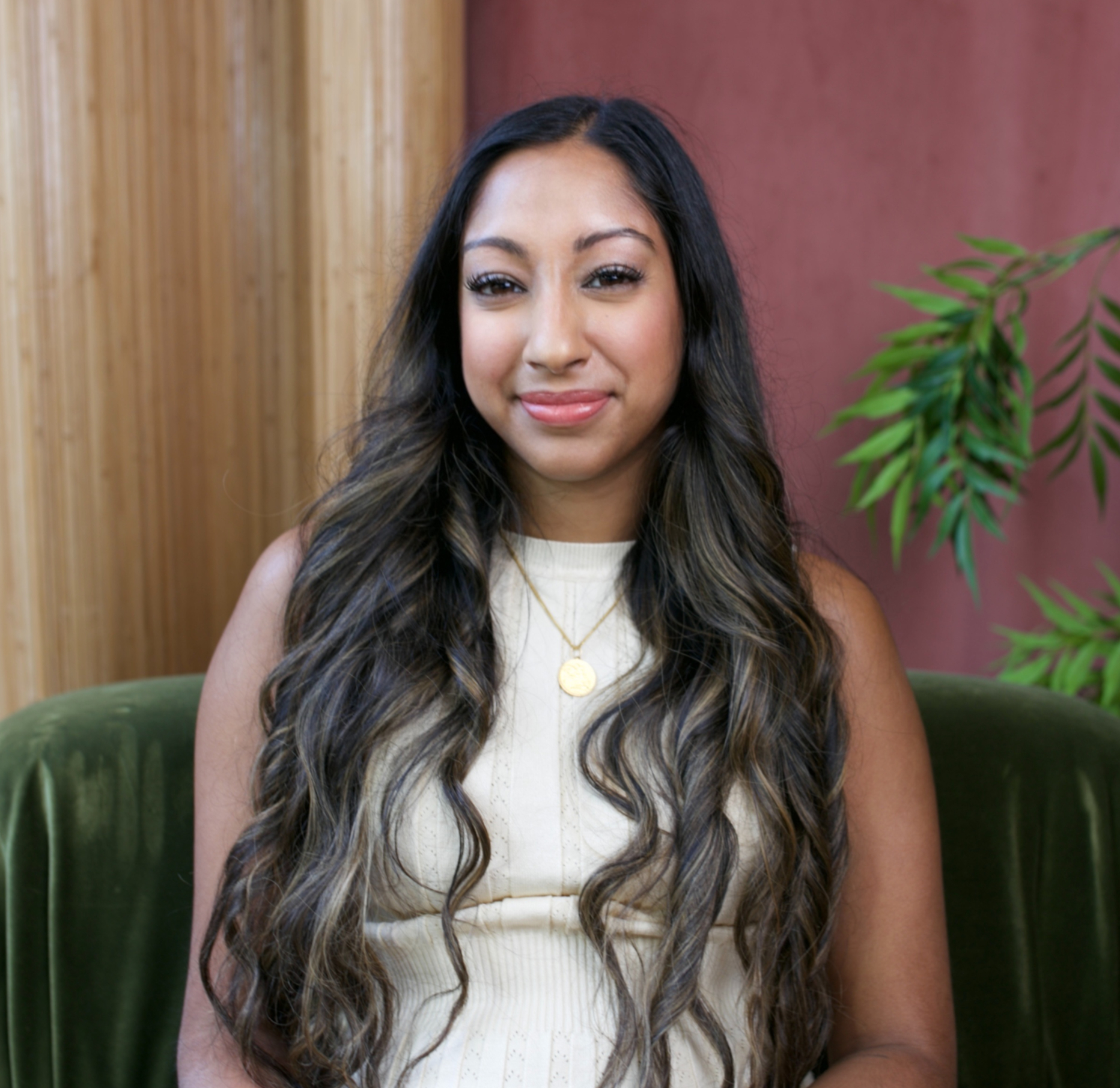
You are competent. You manage people, pay your taxes, hold your life together. And yet when a parent sighs with disappointment, or someone raises their voice, something in you drops — and for a moment you feel exactly as small and unsure as you did at seven. That is not immaturity. That is your inner child, still carrying what they were never helped to hold.
For many South Asian adults, that child grew up loved but not always emotionally tended — praised for achievement, corrected for feelings. At Boundless, our South Asian therapists in NYC help adults reparent that child: to become the steady, warm presence they needed all along.
What “Reparenting Your Inner Child” Actually Means

“Inner child” can sound like self-help fluff, but it maps onto a documented clinical concept. In schema therapy, developed by Jeffrey Young, we all carry a “vulnerable child” mode — the part that holds early, unmet emotional needs and flares under stress. Young’s method uses “limited reparenting”: providing, within healthy boundaries, the warmth and validation that were missing, so those old wounds can update (Young, Klosko, & Weishaar, 2003). Reparenting yourself is the practice of internalizing that same care — learning to meet your own vulnerable parts the way a good parent would.
Why the South Asian Inner Child Often Goes Emotionally Unparented
Most South Asian parents love fiercely and sacrifice enormously. But love and emotional attunement are not the same thing. In many households, achievement is the language of care, criticism is framed as motivation, and feelings are something to manage quietly rather than share. A child learns that their worth is conditional on performance, that big emotions are inconvenient, and that log kya kahenge (“what will people say”) matters more than what they feel. Research on Indian immigrants shows that even the “successful” path of adaptation carries real stress (Krishnan & Berry, 1992), and distress in South Asian communities is often understood as a reaction to circumstances rather than something to bring into words (Karasz, 2005). So the child adapts — and the adult inherits the adaptation. (We explore this pressure further in our post on cultural expectations.)
The eldest-daughter and “responsible one” wound
If you were the eldest daughter, the translator, the emotional caretaker, or simply “the responsible one,” you may have been parentified — handed adult burdens before you were ready. The competence everyone praised came at a cost: the child who needed care became the one who gave it. Reparenting is, in part, giving that child permission to finally be cared for.
What Healing Looks Like: Self-Compassion and Self-Reparenting
Reparenting is not about affirmations you don’t believe. It begins with self-compassion — treating yourself with the warmth you’d offer a good friend, especially in moments of shame. Kristin Neff’s research shows this compassionate self-relating reliably reduces shame, anxiety, and depression while building resilience (Neff, 2003). In practice, reparenting means noticing when your inner child is activated, and responding — internally — with reassurance instead of the old criticism. For concrete starting points, our companion guide on healing your inner child through reparenting walks through specific skills.
This isn’t about blaming your parents
Reparenting can coexist with love and respect for your family. You can honor your parents’ sacrifices and the constraints they faced and grieve the emotional attunement you didn’t receive. Both are true. Healing doesn’t require indicting anyone — it requires giving your present self what your past self went without.
How Therapy Helps
A therapist offers something reparenting-alone can’t: a consistent, boundaried, warm relationship that is itself a corrective experience. Depending on what fits, this work may draw on schema and parts-based (IFS) approaches to meet the vulnerable child directly, somatic work to settle a nervous system that learned to brace, and trauma therapy where early wounds run deep. Because stigma still keeps many South Asians from reaching out (Rao et al., 2011), simply beginning — with someone who understands the cultural weight — is often the hardest and most important step.
You Can Give That Child What They Needed
The child who learned to earn love, stay small, or hold everyone together did their job. They kept you safe. Now, as the adult, you get to offer them something new: steadiness, warmth, and permission to simply be. If you’re ready to begin, our South Asian therapists at Boundless are here to help.
Getting started is simple:
Meet a culturally responsive therapist who understands the South Asian family context.
Begin, at your pace, learning to become the steady presence your inner child always needed.
Comprehensive Therapy Services Across NY, NJ, MA, CA & FL
Boundless offers culturally informed therapy for individuals, couples, and families. Our therapists support clients navigating inner-child and attachment wounds, anxiety, depression, trauma, grief, burnout, and life transitions. We provide specialized care for South Asian communities, LGBTQ+ clients, and anyone seeking culturally affirming, identity-respecting care. Services include EMDR, IFS, DBT, CBT with ERP, somatic and mindfulness-based approaches, group therapy, clinical supervision, and secure online therapy.
Meet Our South Asian Therapist in NYC Accepting New Clients
Sara Mathew, LMSW | Burnout, Childhood Trauma. High-Achiever Stress, Anxiety & Trauma | NY, NJ, MA & CA

Sara helps South Asian, first-gen, and BIPOC adults navigate anxiety, perfectionism, parental expectations, and the attachment patterns shaped by childhood experiences — the exact terrain of inner-child work. She helps clients reconnect with who they are beneath years of over-responsibility and performance, and is currently accepting new clients. Read Sara’s full profile • Book a free 25-minute consultation with Sara
Meet the Rest of Our Therapy Team at Boundless
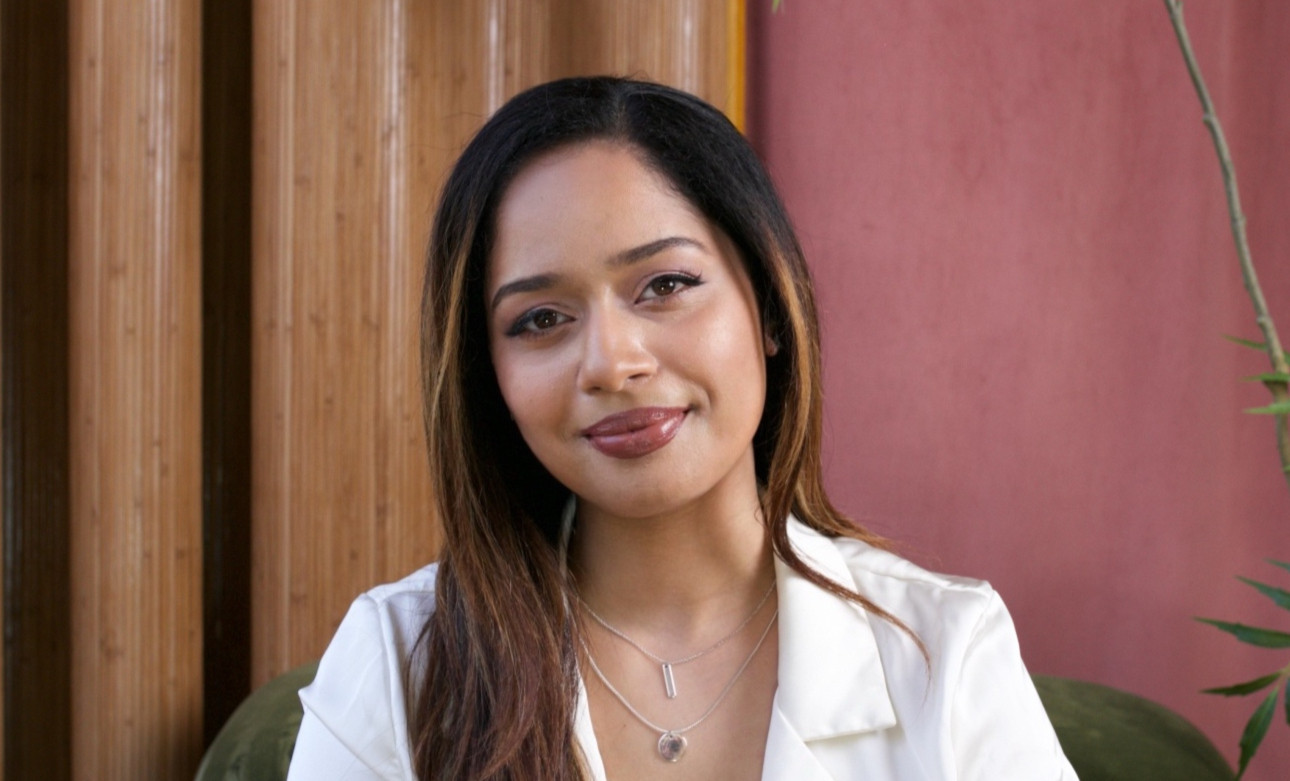
LMSW | C-DBT
Kiara supports adults and couples working through perfectionism, attachment-related wounds, and relational challenges. Using a DBT-informed framework, she helps immigrants and people of color cultivate more secure, stable, and fulfilling relationships.

LMSW | C-EMDR
Monesha works with adults navigating anxiety, performance pressure, and the weight of cultural or family expectations. She often supports students, creatives, and high-achieving individuals who are looking for greater balance, self-understanding, and emotional clarity.

MHC-LP | RYT-200 |C-EMDR
Dipti supports clients working through relational trauma and family dynamics, including experiences of emotional abuse and narcissistic relationships. Her practice also focuses on South Asian identity, men’s mental health, and recovery from anxiety and PTSD.
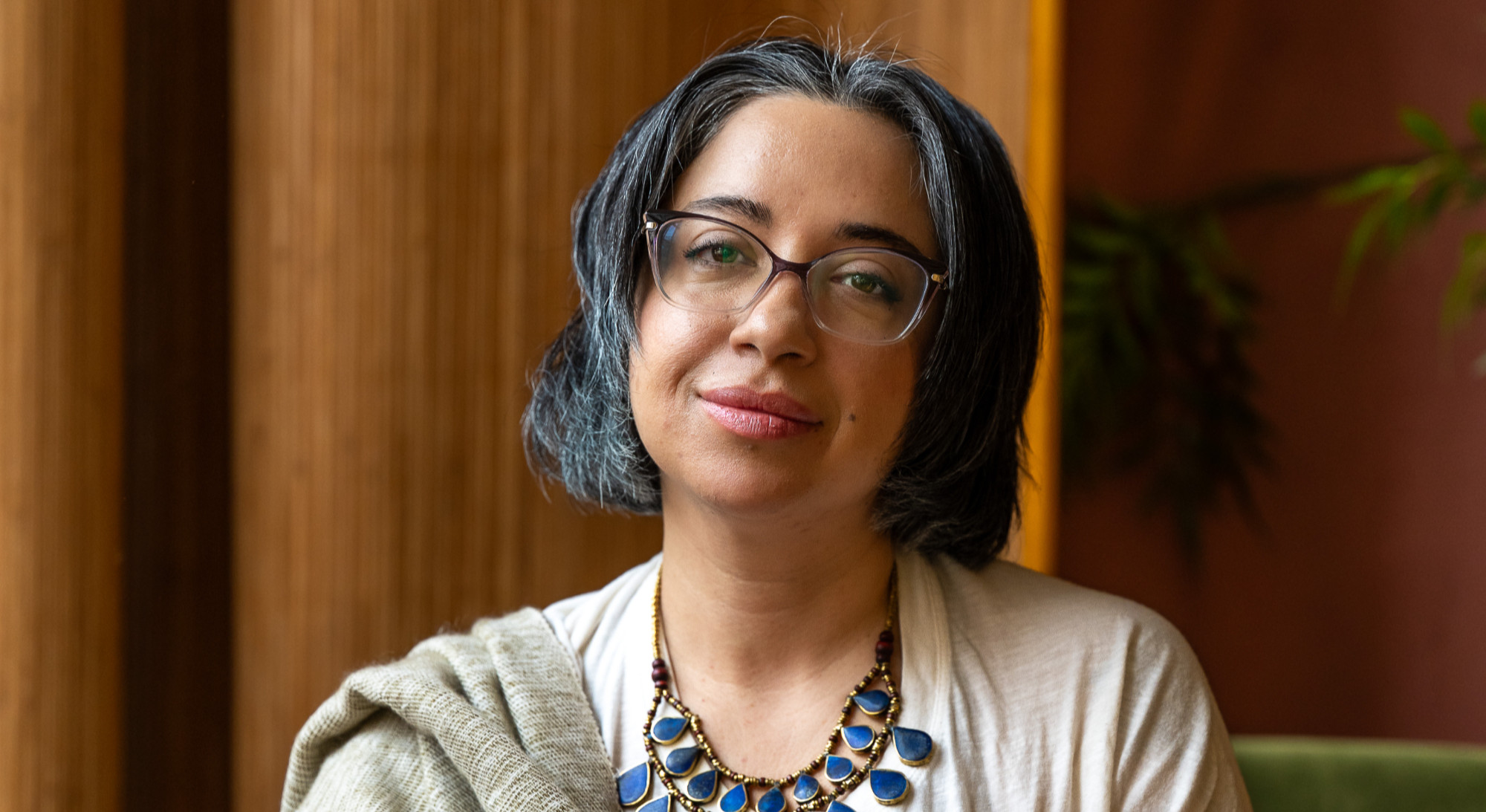
LCSW
Dipti supports clients working through relational trauma and family dynamics, including experiences of emotional abuse and narcissistic relationships. Her practice also focuses on South Asian identity, men’s mental health, and recovery from anxiety and PTSD.
References
Karasz, A. (2005). Cultural differences in conceptual models of depression. Social Science & Medicine, 60(7), 1625–1635. https://doi.org/10.1016/j.socscimed.2004.08.011
Krishnan, A., & Berry, J. W. (1992). Acculturative stress and acculturation attitudes among Indian immigrants to the United States. Psychology and Developing Societies, 4(2), 187–212. https://doi.org/10.1177/097133369200400206
Neff, K. D. (2003). Self-compassion: An alternative conceptualization of a healthy attitude toward oneself. Self and Identity, 2(2), 85–101.
Rao, V., Goga, J., Inscore, A., Kosi, R., Khushalani, S., Rastogi, P., Subramaniam, G., & Jayaram, G. (2011). Attitudes towards mental illness and help-seeking behaviors among South Asian Americans: Results of a pilot study. Asian Journal of Psychiatry, 4(1), 76. https://doi.org/10.1016/j.ajp.2010.09.007
Young, J. E., Klosko, J. S., & Weishaar, M. E. (2003). Schema therapy: A practitioner’s guide. Guilford Press.


Comments