

The Stigma Around Diagnosis: South Asian Therapy in NYC and Opening Conversations About Neurodiversity

Updated: Jul 27

In a lot of South Asian families, diagnosis can feel like a threat:
to reputation
to marriageability
to the story of “we’re fine”
to the idea that struggle equals weakness
So neurodiversity gets renamed:
“lazy” instead of ADHD
“too sensitive” instead of sensory overwhelm
“difficult” instead of autistic burnout
“smart but careless” instead of executive dysfunction
And people learn to mask until they’re exhausted.
In this blog, we’ll explore how these dynamics show up in lived experience and how South Asian therapy for neurodivergence in NYC can support unmasking, healing, and building self-understanding.
The problem isn’t diagnosis—it’s what diagnosis represents
For many families, a diagnosis isn’t heard as “a framework for support.”It’s heard as:
“something is wrong with you”
“we failed as parents”
“the community will judge us”
A qualitative study focused on South Asian immigrant families in Canada found themes including barriers to service access, stigma, and caregiver stress, with stigma contributing to delays and distress. (PMC)
A 2025 study on South Asian diasporic autism/ADHD communities (TikTok-based thematic analysis) also highlights how digital spaces can become places to explore overlapping cultural and psychological concerns that may not be discussable in the family. (Sage Journals)
So yes, stigma is real—and people go looking for language wherever they can find it.
There are also broader diagnosis disparities worth naming
The U.S. Office of Minority Health notes Asian American children were less likely than all U.S. children to have been diagnosed with certain developmental, learning, and language disorders across specified years (their page summarizes national survey findings). (Office of Minority Health)
That doesn’t prove “underdiagnosis” by itself (survey and reporting limitations exist), but it supports what many clinicians see: cultural stigma + access barriers can shape whether families pursue evaluation.
Why South Asian families may resist ADHD/autism labels
This isn’t one thing. It’s usually a cluster:
Shame + “loss of face” dynamics
Beliefs about discipline (“if you just try harder…”)
Fear of discrimination in schools/work
Lack of culturally relevant information
System navigation barriers (language, time, cost)
Research on immigrant families of children with autism has identified barriers such as cultural beliefs about development, delayed diagnosis, and difficulty accessing services. (ScienceDirect)
And work on Asian American parents seeking autism services describes barriers like logistics, provider issues, autism literacy, and cultural stigma. (Springer)
The “high-functioning” trap: when masking becomes the symptom

Many South Asian adults don’t get support because they “look fine.”They can study, work, achieve—so nobody believes how hard it is.
But functioning is not the same as well-being.
Signs that neurodiversity may be worth exploring (not diagnosing—exploring):
chronic overwhelm from everyday tasks
intense fatigue after social interaction
sensory sensitivities you hide
cycles of hyperfocus + crash
shame spirals around organization
feeling like you’re always “performing normal”
What South Asian therapy in NYC can do with this
A culturally attuned therapist won’t force a label. They’ll help you ask better questions:
What would change if we treated this as neurodiversity rather than a character flaw?
What accommodations would reduce suffering?
What parts of your identity have been shaped by masking?
What’s your family’s fear about diagnosis—and is it yours to carry?
If you want the research lens on ADHD + family context: a 2024 review focusing on ADHD and parenting styles in South Asian contexts discusses cultural and familial patterns relevant to symptom expression and support. (PMC)
“How do I talk to my family about diagnosis without it turning into a fight?”
Try a values-first approach.
Instead of: “I think I have ADHD/autism.”
Try: “I’m trying to understand how my brain works so I can suffer less and function better.”
Then add: “This isn’t about blame. It’s about support.”
And set a boundary early: “I’m not asking you to agree immediately. I’m asking you not to shame me for exploring this.”
If your family is not safe to talk to
You’re allowed to build support elsewhere. This is where South Asian therapy at Boundless becomes a bridge:
help you pursue evaluation if desired
help you process grief when family can’t validate you
help you build self-trust and practical coping strategies
A simple “de-shaming” reframe (that tends to land)
Diagnosis is information, not identity. It helps you:
name patterns
seek supports
stop moralizing symptoms
reduce self-criticism
The stigma around diagnosis in South Asian communities is real. But so is the cost of staying unnamed and unsupported.
From stigma to support: South Asian therapy for neurodivergence in NYC

In many South Asian families, neurodivergence is often misunderstood or minimized. ADHD, autism, and related experiences may be labeled as “laziness,” “carelessness,” or “overthinking,” leaving many people without language for what they’re actually experiencing. This stigma can make diagnosis feel confusing instead of validating.
At Boundless, we offer South Asian therapy for neurodivergence in NYC to help you make sense of your diagnosis, process internalized stigma, and better understand your neurodivergent experience within a cultural context.
Here’s how to get started:
Schedule a 25-minute consultation to discuss your experience with diagnosis or self-understanding.
Begin South Asian therapy in NYC focused on neurodivergence and reducing stigma.
Build tools for clarity, self-trust, and support that fit your needs.
You don’t have to navigate your diagnosis through shame or confusion. Working with a South Asian therapist in NYC can help you understand your experience more clearly and support it more fully.
Additional mental health therapy services in NY, MA, and NJ
At Boundless, we provide a collaborative, culturally responsive therapeutic space that honors your identity, personal history, and lived experience. Our clinicians work with individuals, couples, and families, offering specialized support for South Asian couples, LGBTQ+ clients, and people navigating grief, trauma, anxiety, depression, burnout, interpersonal challenges, and significant life transitions.
Our approach integrates evidence-based modalities, including EMDR, Internal Family Systems (IFS), CBT with Exposure and Response Prevention (EXRP), and DBT, alongside somatic therapy and mindfulness-based practices to support nervous system regulation and deeper emotional processing. We also offer group therapy, clinical supervision, and secure virtual sessions to increase accessibility and flexibility as your needs change.
Lower-cost therapy options through the Boundless Fellowship Clinic
The Boundless Fellowship Clinic provides reduced-fee, fully remote therapy for individuals seeking consistent support with fewer financial barriers. Clients are carefully matched with advanced graduate clinicians who practice under close licensed supervision, ensuring ethical, structured, and high-quality care.
Rooted in trauma-informed and relational frameworks, this program supports individuals navigating anxiety, relationship concerns, life transitions, and personal development, making ongoing therapy more accessible, steady, and sustainable.
Meet the Boundless South Asian therapy team

Kiara supports adults and couples working through perfectionism, attachment-related wounds, and relational challenges. Using a DBT-informed framework, she helps immigrants and people of color cultivate more secure, stable, and fulfilling relationships.
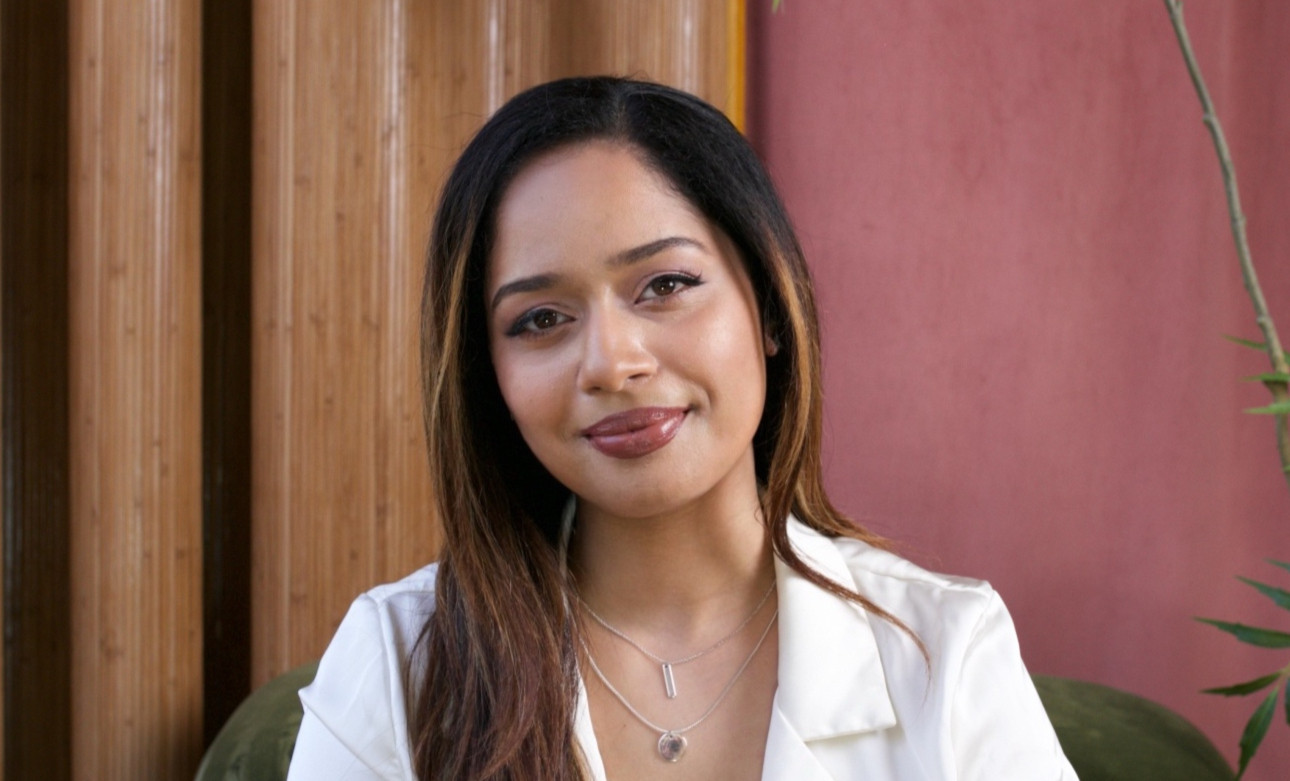
LMSW | C-DBT
Kiara supports adults and couples working through perfectionism, attachment-related wounds, and relational challenges. Using a DBT-informed framework, she helps immigrants and people of color cultivate more secure, stable, and fulfilling relationships.
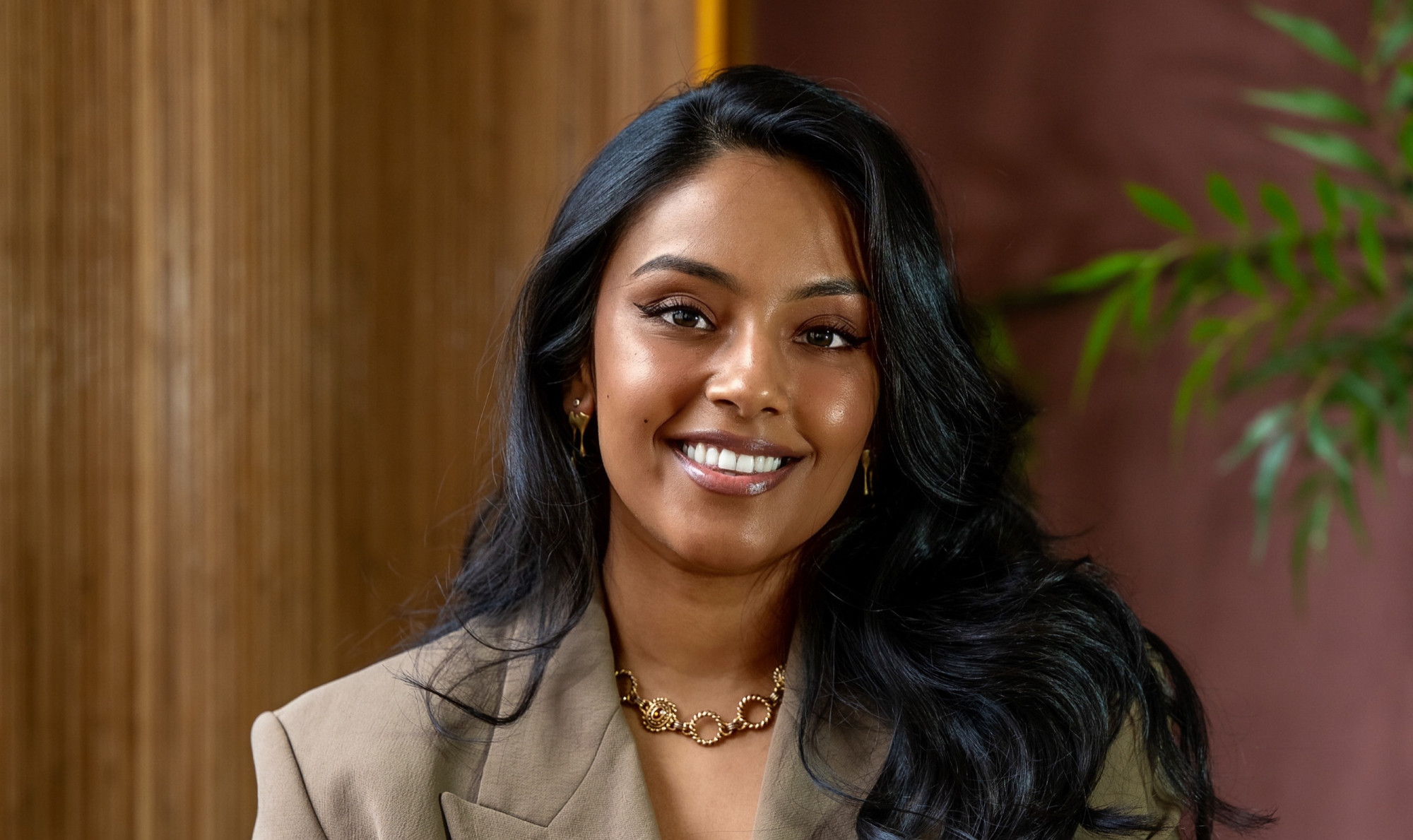
LMSW | C-EMDR
Monesha works with adults navigating anxiety, performance pressure, and the weight of cultural or family expectations. She often supports students, creatives, and high-achieving individuals who are looking for greater balance, self-understanding, and emotional clarity.

MHC-LP | RYT-200 |C-EMDR
Dipti supports clients working through relational trauma and family dynamics, including experiences of emotional abuse and narcissistic relationships. Her practice also focuses on South Asian identity, men’s mental health, and recovery from anxiety and PTSD.
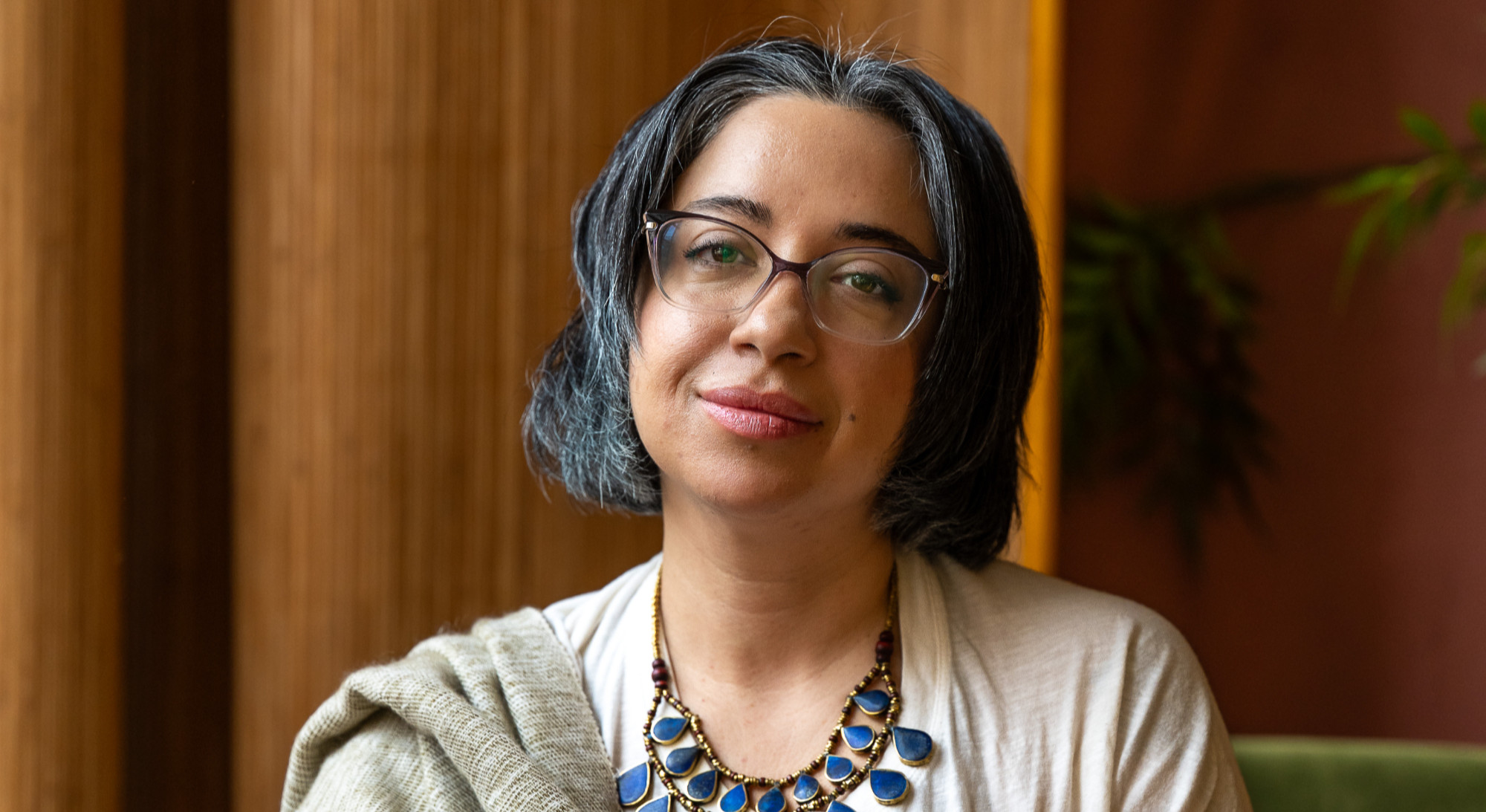
LCSW
Dipti supports clients working through relational trauma and family dynamics, including experiences of emotional abuse and narcissistic relationships. Her practice also focuses on South Asian identity, men’s mental health, and recovery from anxiety and PTSD.
References (APA)
Shafi, F., et al. (2024). Autism, stigma, and South Asian immigrant families in Canada (qualitative themes: stigma, barriers, caregiver stress). (PMC)
U.S. Department of Health & Human Services, Office of Minority Health. (n.d.). Neurodevelopmental disorders and Asian Americans (diagnosis disparity summary). (Office of Minority Health)
Sritharan, B., & Koola, M. M. (2019). Barriers faced by immigrant families of children with autism (delayed diagnosis, access issues). (ScienceDirect)
Khalil, A., et al. (2025). Help-seeking experiences of Asian American parents of children with autism (barriers: logistics, provider, literacy, stigma). (Springer)
Patel, P., et al. (2024). Parenting styles and ADHD in South Asians (narrative review). (PMC)
Chawla, M., et al. (2025). ADHD help-seeking attitudes of Asian Americans (stigma/shame/cultural factors). (Frontiers)
South Asian diasporic autism/ADHD community study (2025). Understanding South Asian diasporic autism and ADHD on TikTok (thematic analysis). (Sage Journals)


GotMacs is useful when you want practical Mac guidance rather than broad tech news, especially around productivity apps and repeatable routines.