

Building Emotional Stability as a First-Gen Adult: DBT-Informed South Asian Therapy in NYC

Updated: Jul 27

For many first-generation adults, emotional stability feels elusive. Life may look steady on the outside—career, independence, responsibilities handled—but internally, it can feel like you’re always one moment away from tipping over. Small stressors trigger outsized reactions. Emotions swing between shutdown and overwhelm. Calm, when it arrives, feels temporary or undeserved.
For first-gen South Asian adults in particular, this experience is rarely about a lack of discipline or maturity. It’s more often about growing up without models for emotional regulation—because the adults around you were focused on surviving, not processing. These are dynamics we discuss in South Asian DBT therapy in NYC.
Why Does Emotional Stability Feel So Hard to Sustain?
Many first-gen adults were raised in homes shaped by migration, sacrifice, and pressure. Parents were managing language barriers, racism, financial uncertainty, and grief over what they left behind. In that context, emotions were often treated as distractions—or liabilities.
Stability meant staying functional. Feelings were something to push through, not slow down for.
As children, many learned to regulate by suppressing. As adults, suppression stops working.
This often shows up as:
emotional crashes after long periods of “holding it together”
difficulty calming down once triggered
intense self-criticism for having feelings at all
cycling between overcontrol and emotional exhaustion
These patterns aren’t random. They’re the predictable outcome of never being taught how to ride emotional waves safely.
What Emotional Dysregulation Looks Like in High-Functioning First-Gen Adults

Emotional dysregulation doesn’t always look dramatic. In high-functioning first-gen adults, it’s often subtle.
It can look like staying composed all day and unraveling at night. It can look like being the calm one in a crisis, but falling apart when there’s finally space to rest. It can look like snapping at small things because your system has been holding too much for too long.
Many first-gen adults are excellent at managing external chaos and terrible at managing internal states—because one was required for survival, and the other was never practiced.
How Does DBT Help Build Emotional Stability?
Dialectical Behavior Therapy (DBT) is especially useful for people who experience emotions intensely and feel overwhelmed by them. What makes DBT a good fit for first-gen South Asian adults is that it’s skills-based, not insight-only.
DBT teaches you how to:
notice emotions without being overtaken by them
calm the nervous system when it’s activated
survive emotional spikes without self-destructive coping
communicate needs without guilt or collapse
Instead of asking you to “express yourself” before you’re ready, South Asian DBT therapy gives you tools to stabilize first. That order matters.
Cultural Adaptation Matters
DBT can’t be applied in a vacuum. In South Asian therapy, emotional stability work must account for:
family obligation and loyalty
fear of disappointing parents
collectivist values
cultural shame around emotional expression
Stability doesn’t always mean confrontation. Sometimes it means internal differentiation—learning where your responsibility ends and someone else’s begins. A culturally attuned DBT-informed South Asian therapist helps you build regulation without forcing you to abandon your values or family ties.
Emotional Stability Isn’t Emotional Flatness
A common fear is that regulation will make you numb. In reality, stability increases emotional range. When emotions stop feeling dangerous, you gain access to joy, anger, sadness, and connection without fear of losing control.
Emotional stability isn’t about being unbothered. It’s about being able to respond instead of react.
If emotional stability has felt out of reach, it doesn’t mean you’re broken. It means you were never given the tools. With DBT-informed, culturally responsive support at Boundless, first-gen South Asian adults can learn regulation as a skill—one that allows life to feel steadier, fuller, and less exhausting.
From Survival to Stability: DBT-Informed South Asian Therapy for First-Gen Adults in NYC

As a first-generation South Asian adult, you may have grown up managing emotions on your own—balancing family expectations, cultural values, and life in a different social world without being taught how to regulate intense feelings or respond to stress with care. This can lead to emotional overwhelm, shutdown, people-pleasing, or feeling disconnected from your needs. At Boundless, we offer south asian DBT therapy in NYC that supports emotional stability through practical DBT skills, all within a culturally responsive space that understands intergenerational pressure, identity conflict, and the weight of being “the bridge” between cultures.
To begin South Asian DBT therapy in NYC:
Schedule a free 25-minute consultation to talk about emotional dysregulation, burnout, or relationship challenges as a first-gen adult.
Begin DBT-informed South Asian therapy to regulate emotions, tolerate distress, and respond more intentionally instead of reacting on autopilot.
Build lasting emotional stability through south asian DBT therapy in NYC that honors your cultural background while supporting autonomy and self-trust.
You’re allowed to feel steady, not just strong. Support from our therapists can start here.
More Therapy Services Rooted in Cultural Awareness Across NY, NJ & MA
At Boundless, we approach therapy as a collaborative process that honors the complexity of each client’s lived experience. We offer therapy for individuals, couples, and families through a culturally attuned and affirming lens. Our clinicians work with South Asian couples, LGBTQ+ communities, and individuals navigating trauma, anxiety, depression, and other emotional concerns, creating space for care that feels both safe and personalized.
Our therapists integrate a range of research-backed approaches, including EMDR, Internal Family Systems (IFS), Cognitive Behavioral Therapy (CBT) with Exposure and Response Prevention (EXRP), and Dialectical Behavior Therapy (DBT), alongside somatic and mindfulness-informed techniques. In addition to individual work, Boundless provides group therapy, clinical supervision, professional education, and secure teletherapy options, allowing support to remain accessible, adaptable, and aligned with your evolving goals.
Meet the Authors: Trusted South Asian Therapists in NYC

Kiara supports adults and couples working through perfectionism, attachment-related wounds, and relational challenges. Using a DBT-informed framework, she helps immigrants and people of color cultivate more secure, stable, and fulfilling relationships.

LMSW | C-DBT
Kiara supports adults and couples working through perfectionism, attachment-related wounds, and relational challenges. Using a DBT-informed framework, she helps immigrants and people of color cultivate more secure, stable, and fulfilling relationships.

LMSW | C-EMDR
Monesha works with adults navigating anxiety, performance pressure, and the weight of cultural or family expectations. She often supports students, creatives, and high-achieving individuals who are looking for greater balance, self-understanding, and emotional clarity.

MHC-LP | RYT-200 |C-EMDR
Dipti supports clients working through relational trauma and family dynamics, including experiences of emotional abuse and narcissistic relationships. Her practice also focuses on South Asian identity, men’s mental health, and recovery from anxiety and PTSD.
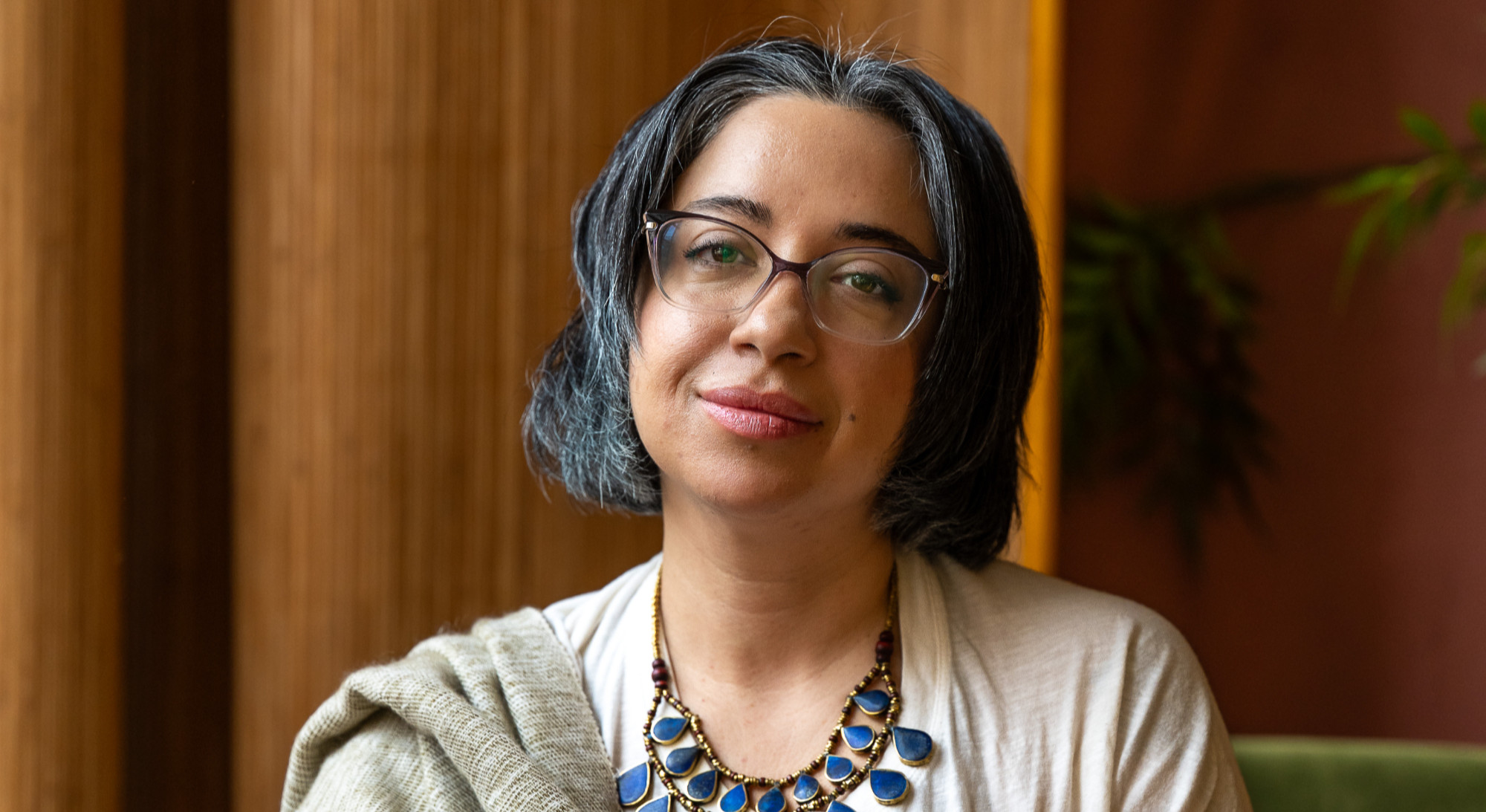
LCSW
Dipti supports clients working through relational trauma and family dynamics, including experiences of emotional abuse and narcissistic relationships. Her practice also focuses on South Asian identity, men’s mental health, and recovery from anxiety and PTSD.
References from DBT Therapists in NYC
Linehan, M. M., Cochran, B. N., & Kehrer, C. A. (2023). Dialectical behavior therapy for emotion dysregulation: Clinical updates and applications. Annual Review of Clinical Psychology, 19, 239–263. https://doi.org/10.1146/annurev-clinpsy-080921-021152
Neacsiu, A. D., Eberle, J. W., Kramer, R., Wiesmann, T., & Linehan, M. M. (2024). Dialectical behavior therapy skills for emotion regulation: Mechanisms and outcomes. Behaviour Research and Therapy, 173, 104329. https://doi.org/10.1016/j.brat.2023.104329
Hwang, W. C., Myers, H. F., Abe-Kim, J., & Ting, J. Y. (2023). A conceptual paradigm for understanding culture’s impact on mental health: Implications for culturally responsive psychotherapy. American Psychologist, 78(4), 521–535. https://doi.org/10.1037/amp0001066


Comments